
Estimates by the International Energy Agency indicate that the conflict linked to the closure of the Strait of Hormuz has caused the largest disruption to global energy supplies in modern market history. Oil flows that normally reach about 20 million barrels per day—roughly one-fifth of global consumption—have fallen to near standstill levels. If the U.S. deadline expires without an agreement and strikes begin against energy infrastructure inside Iran, Africa is likely to face a second inflation wave within 48–72 hours, driven by rising fuel costs, transport expenses, and food supply disruptions.
In this context, a joint report by the United Nations, the African Union, and the African Development Bank warns that if the conflict continues beyond six months, African economies could lose around 0.2 percentage points of GDP growth. While this figure may appear modest statistically, it is significant in economies that depend heavily on stable energy and commodity prices. The International Monetary Fund further notes that energy-importing economies—especially in Africa—are facing a double shock: higher import bills and declining remittances from workers in Gulf countries, alongside disruptions in trade and service flows linked to the region.
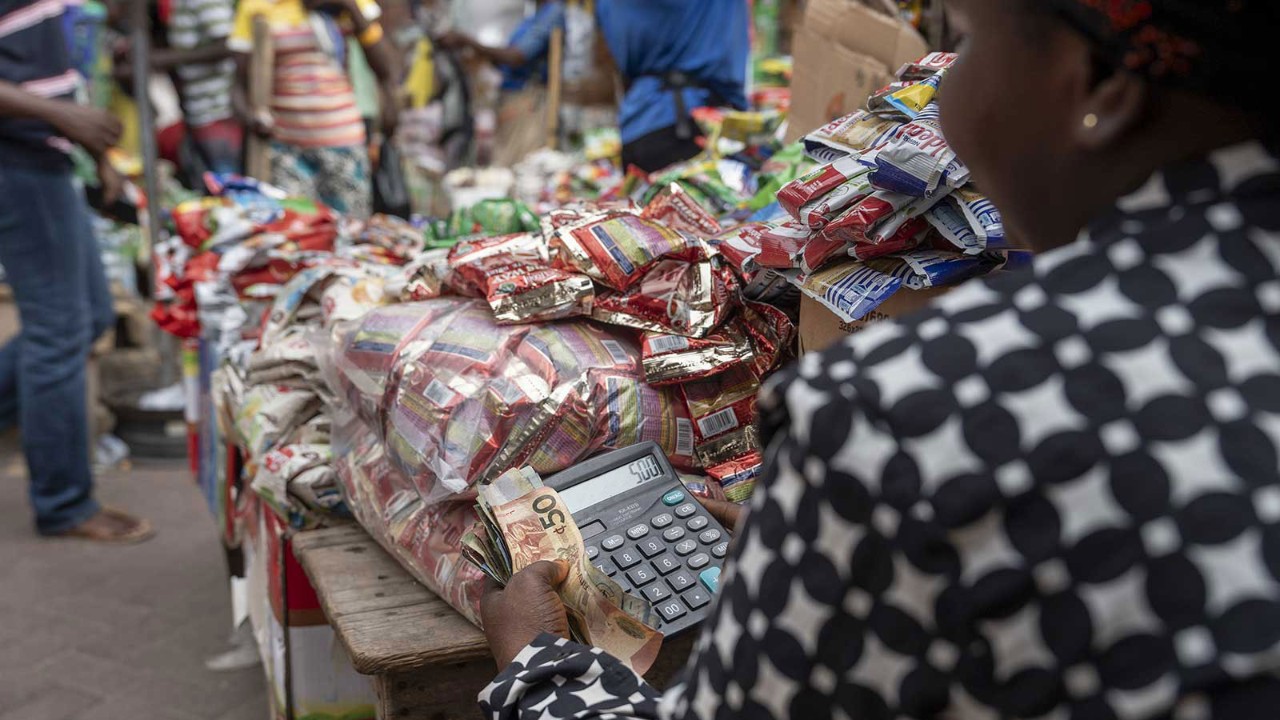
The impact is already visible in East Africa. Countries such as Ethiopia are experiencing severe diesel shortages, signaling that the global supply shock is rapidly transmitting into domestic sectors including transport, agriculture, and electricity generation. At the same time, higher shipping insurance costs and the rerouting of vessels away from the Gulf are increasing the price of food imports and fertilizers—nearly one-third of which normally transit through Hormuz.
The consequences extend beyond fuel markets. United Nations estimates suggest that disruptions to shipping through the strait could reduce global trade growth this year to between 1.5% and 2.5%, while accelerating capital outflows from developing economies, weakening currencies, and increasing borrowing costs. These dynamics place African economies—already financially vulnerable—among the most exposed to external shocks.
Energy market assessments also indicate that oil prices have already risen to around $120 per barrel, with warnings they could exceed $150 if the closure persists. Such a scenario would trigger a rapid inflation surge affecting transport, food, and electricity costs across Africa within days of further escalation.
As a result, the crisis is no longer just a geopolitical confrontation in the Gulf; it has become a direct driver reshaping Africa’s growth outlook and economic stability. If the current U.S. deadline leads to strikes on Iranian energy infrastructure, the impact on African markets is expected to be immediate rather than gradual—spreading across the continent in less than three days.