
The Islamabad Talks and Their Collapse
What Happened?
Weekend talks in Islamabad between Washington and Tehran ended without a deal. A source close to the negotiations said the two sides came “very close” to an agreement and were “80% there” before hitting issues that could not be resolved on the spot. US Vice President JD Vance demanded that Iran freeze uranium enrichment for 20 years. Iran countered with a much shorter period — described as “single digit” years. Washington then refused Iran’s request to schedule a new round of talks, though international mediators insisted “the door is not closed.” Vance returned to Washington empty-handed — what the Financial Times called a double failure: Iran and Hungary.
Why It Matters?
Both sides showed they are locked into rigid positions: Washington wants a long-term guarantee that makes any Iranian reversal very costly, while Tehran refuses to give up its last major bargaining chip — its nuclear program. The failure gave the US administration a justification to launch the blockade, but it also exposes a weakness in the Trump strategy: betting on short-term pressure to win long-term strategic concessions rarely works when the other side is willing to absorb the pain.
The Military Blockade
What Happened?
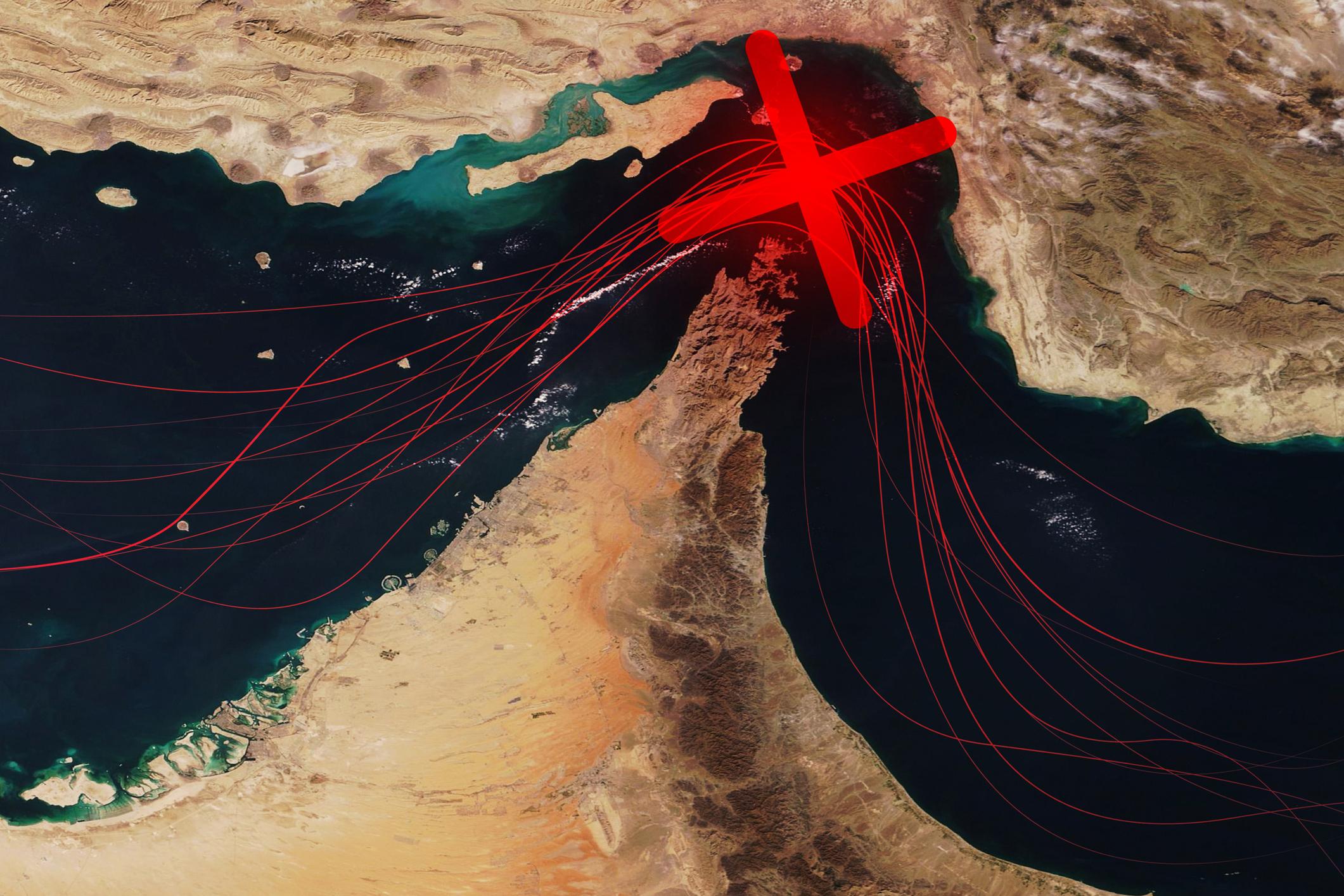
The US Navy blockade of the Strait of Hormuz officially began on Monday — the first of its kind in the region in decades. More than 15 US warships are now positioned to intercept vessels. The stated goal is to cut off Iran’s oil revenues and force Tehran back to the negotiating table. President Trump threatened “quick and brutal” strikes — similar to how the US handles drug boats — against any Iranian vessel that approaches the blockade line.
Why It Matters?
The blockade is a direct, aggressive form of economic pressure — more powerful than traditional sanctions. But it comes with serious risks: any accidental confrontation at sea could trigger a military escalation neither side officially wants. There is also a strategic contradiction: the blockade squeezes Iran so hard that it may feel it has nothing left to lose — which could push Tehran toward more dangerous options rather than the negotiating table.
Global Economic Shock & China’s Role
What Happened?
The Iran war is already sending shockwaves through the global economy, with oil prices rising sharply and businesses and consumers worldwide feeling the squeeze. The blockade threatens to make things worse. China is watching carefully: it needs stable energy markets in the Middle East for economic reasons, but it also quietly benefits from America being tied up in the Iran conflict — giving Beijing more room to maneuver in Asia, especially on Taiwan. An upcoming meeting between Trump and Chinese President Xi Jinping in China partly explains Beijing’s unusual public silence on the crisis.
Why It Matters?
This crisis reveals how fragile the global economy is when the Strait of Hormuz — through which roughly one-fifth of global oil passes — is disrupted. China is playing the role of the opportunistic bystander: it is not starting fires, but it is warming itself by them. America’s distraction in the Middle East has opened a strategic window for China in the Pacific, though Beijing is also paying billions in higher energy costs.
Time Is on Iran’s Side — FT Analysis
What Happened?
The Financial Times published an analysis arguing that time ultimately favors Iran: the global energy crisis is still in its early stages, and the political backlash in oil-importing countries will grow the longer the blockade continues, pushing Western governments toward a settlement.
Why It Matters?
This argument points to a real strategic trap: the longer the blockade lasts, the higher its political costs for Washington and its allies at home and abroad. Iran, as an authoritarian state, can absorb domestic economic pain longer than democracies can withstand the political fallout. Time is gradually tilting toward Tehran — unless the economic pressure triggers a popular uprising or a split within Iran’s own ruling elite.
Eagle 44 — Iran’s Underground Air Base Struck
What Happened?
Satellite images analyzed by the New York Times show significant damage to Iran’s secretive “Eagle 44” underground air base — a remote facility housing fighter jets in tunnels carved into mountains. The images reveal impact craters near tunnel entrances, from strikes carried out earlier in the war.
Why It Matters?
Hitting hardened underground bases sends a powerful strategic message: Iran’s air force — once considered safely buried deep underground — is no longer beyond the reach of US and Israeli military capabilities. This strips Tehran of a key deterrent and meaningfully narrows its defensive military options.