
What Happened?
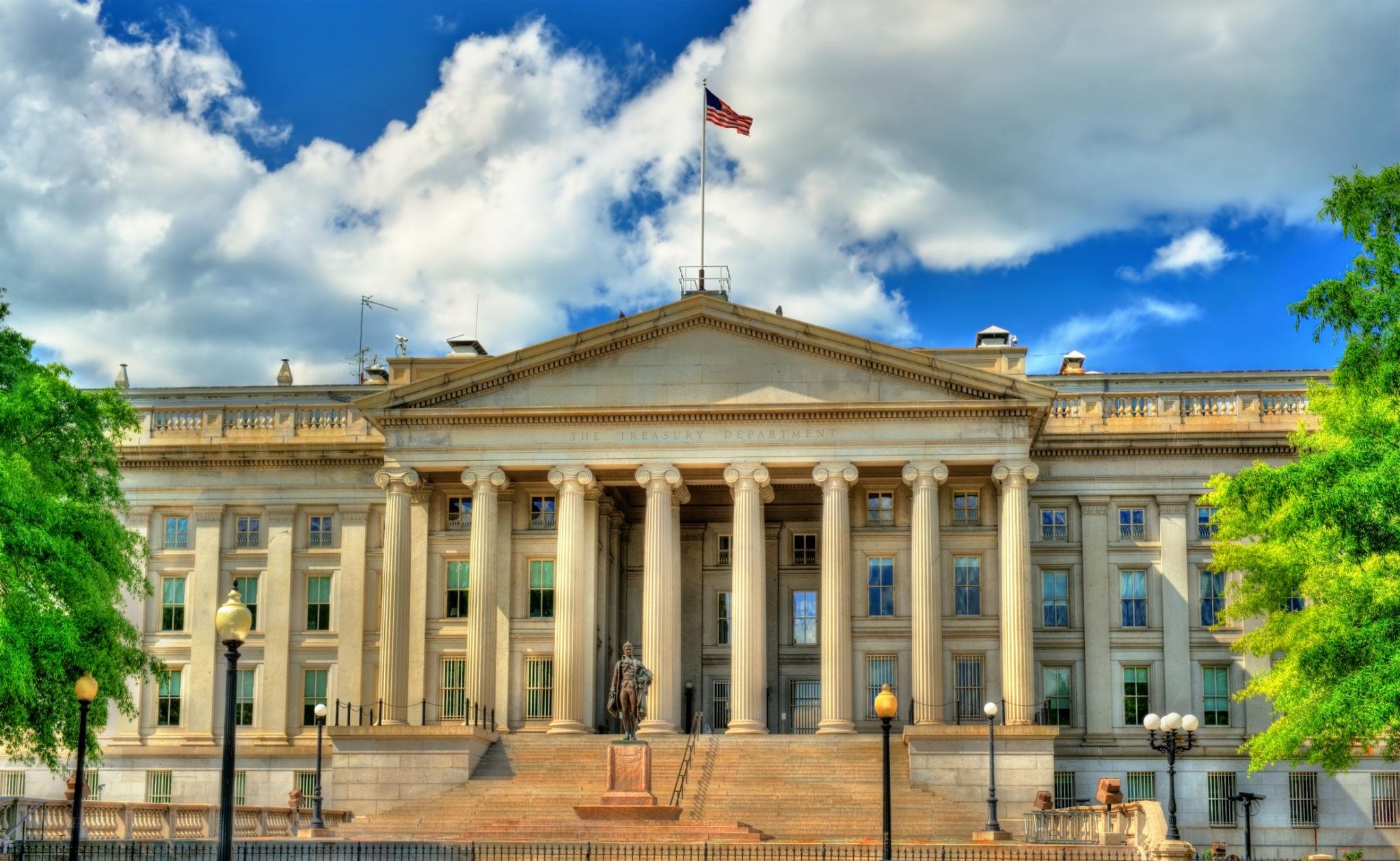
On April 17, the United States imposed sanctions on five companies and individuals involved in recruiting former Colombian military personnel to fight for the Rapid Support Forces. Treasury Secretary Scott Bessent stated that both parties “have not committed to any humanitarian truce,” demanding they put an immediate end to the crisis.
Who Are the Targets?
The sanctions list includes Fenix Human Resources and its manager José Libardo Quijano Torres, former Colombian Army Colonel José Oscar García Batt, and the owner and manager of Global Qowa Al-Basheria, Omar Fernando García Batte. These sanctions mean the immediate freezing of all their assets in the United States.
The Full Picture: How Did the Colombians Reach Darfur?
Since September 2024, hundreds of former Colombian officers and soldiers have made their way to Sudan, serving as infantry, snipers, drone operators, vehicle drivers, and trainers — some of them training children to bear arms.
They are recruited through WhatsApp messages promising overseas work, before being sent to the front lines in Darfur via Libya and Somalia. Their numbers, according to estimates from the Colombian outlet La Silla Vacía, reach approximately 380 mercenaries, most of them in a battalion known as the “Desert Wolves.”
An AFP investigation revealed that the Bosaso airbase in Somalia serves as a primary transit hub for the fighters, with groups transported from there to the Sudanese border aboard cargo aircraft.
According to Sudanese military sources, the total number of foreign mercenaries fighting alongside the RSF has surpassed 850, including Colombians and Russians. A UN Security Council report described Sudan as having become a “logistical hub” for armed groups that threatens the Horn of Africa and the Sahel.
The Broader Context: A Mounting Sanctions Architecture
The latest U.S. sanctions do not stand alone — they are part of an escalating international framework. In March 2026, the U.S. State Department designated Sudan’s Muslim Brotherhood as a Specially Designated Global Terrorist organization. In February, the UN Sudan Sanctions Committee added four new individuals to its sanctions list. The Security Council also extended the Sudan sanctions regime for an additional year through September 2026.
The Strategic Significance
These sanctions send a clear American message: Washington is intensifying pressure on networks supporting the Rapid Support Forces, explicitly linking that pressure to its demand for an unconditional three-month humanitarian truce. However, the effectiveness of this step will ultimately depend on the willingness of regional actors to halt their support for armed groups — something that remains to be seen.