
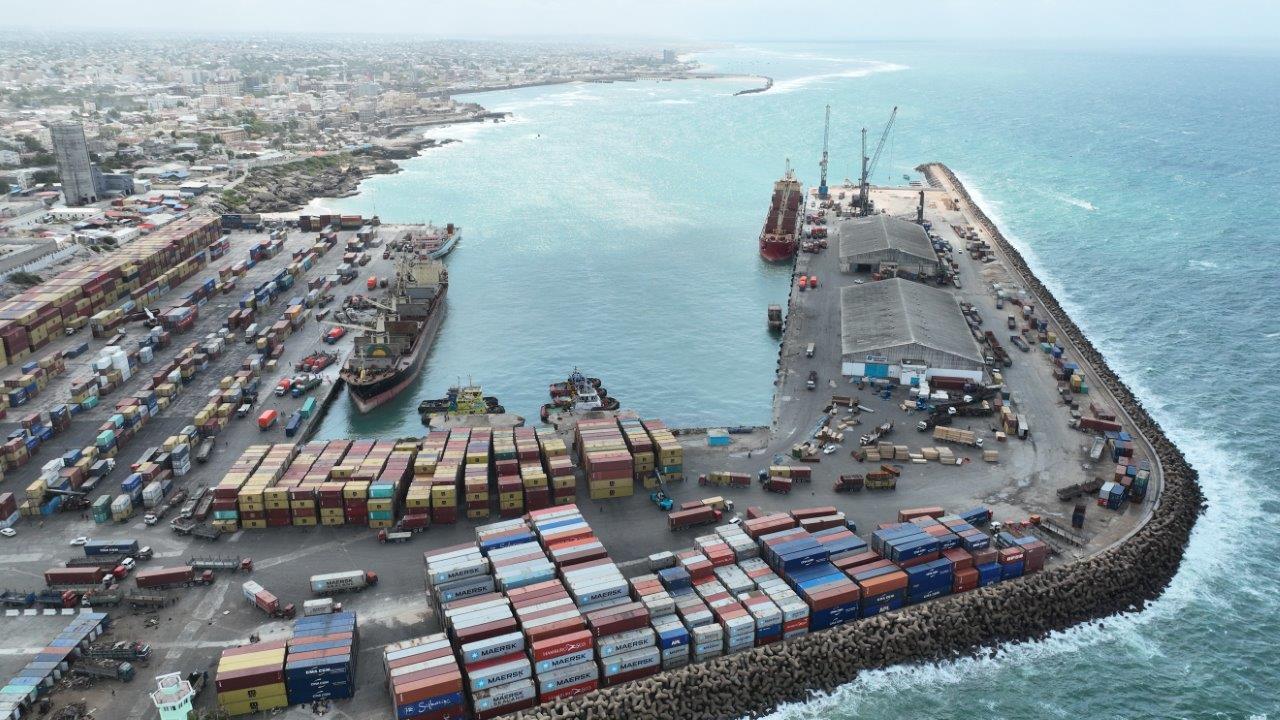
The News Somalia’s landscape layers multiple simultaneous developments: President Hassan Sheikh Mohamud inaugurates the new headquarters of the Support and Communications Commands of the Somali National Army in Mogadishu under the 2026 vision for military modernization. Simultaneously, Saudi Arabia tightens its grip on Somali ports through a maritime cooperation agreement signed in February 2026, exploiting the vacuum left by the UAE following its diplomatic rupture with Mogadishu. Somalia also assumes its seat on the African Union Peace and Security Council for the first time since 2003. On the margins, the detained Moroccan citizens case in Puntland resurfaces, raising questions about regional authority versus the federal government.
Why It Matters to America Somalia is gradually transforming from a “security burden” borne by Washington into a “strategic asset” contested by regional powers. The Saudi–Somali agreement reshapes influence over the vital waterway near Bab el-Mandeb — the artery that Houthi attacks have directly disrupted for global trade. Washington is compelled to choose: does it support competing Gulf allies or establish a direct American influence equation?
Consequences Riyadh’s forceful entry into Somali port management reduces the UAE’s margin and reorganizes the Gulf competition equation in the Horn of Africa. AU Peace Council membership + modernized military + Saudi partnership = a Somalia accumulating multiple sources of leverage — yet still fighting an active war against Al-Shabaab in Mogadishu’s own streets.
Scenarios
- Somalia as a Regional Hub: Accumulated economic and security partnerships succeed in transforming its ports into a regional logistics center, reinforcing internal stability and reducing dependence on international aid.
- Gulf Competition Reignites Tensions: The Saudi–UAE rivalry over Somalia’s allegiance produces new internal fault lines that feed tensions between the federal center and regional states.
- Al-Shabaab Negates the Gains: The movement escalates urban operations in response to military modernization, stretching the army between defending Mogadishu and executing the national strategy.