
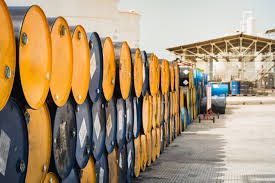
The News: With Brent crude above $105 per barrel — after a 64% surge in March alone — African governments imposed sharp fuel price increases within days: Ghana raised petrol by 15% and diesel by 19%; Malawi raised them by 34% and 35% respectively; Tanzania by 33%; Mauritania by 15% and 10%; Gambia by approximately 19%; along with Botswana and Mali. Most of these countries import more than 70% of their refined fuel, leaving them entirely exposed to price shocks.
Why It Matters to America: Rising fuel prices in Africa shrink government headroom and fuel popular discontent — fertile ground for extremism and political instability that burdens American partnerships with allied African governments. Countries like Ghana and Tanzania are strategic partners in America’s African agenda.
Consequences: The poorest segments of society will bear the heaviest burden. The inflationary wave will compound food crises already underway across the Horn of Africa and sub-Saharan Africa. Governments that raised prices without adequate social safety nets will face intensifying popular pressure in the weeks ahead.
Three Scenarios:
- Containment: Governments like Ghana and Mauritania successfully cushion the impact through targeted subsidies and negotiations for alternative supply sources, easing social pressure.
- Wave: Anger over fuel costs becomes broader political anger, with protests erupting in multiple African capitals.
Economic Contagion: The crisis triggers investment retreat and growth slowdown across sub-Saharan Africa, redrawing maps of economic dependency.