
Tripoli — Libya’s Government of National Unity announced the signing of a long-term investment agreement with France’s TotalEnergies and America’s ConocoPhillips worth over $20 billion, a move reflecting major Western companies’ renewed bet on Libya’s oil sector despite ongoing political divisions.
Prime Minister Abdulhamid al-Dbeibah said the 25-year agreement targets increased production with additional capacity reaching 850,000 barrels per day through Waha Oil Company, with expected net state revenues exceeding $376 billion. The agreement includes external financing outside the general budget, indicating an attempt to bypass financial constraints linked to institutional division.
The Libyan government also signed a memorandum of understanding with American giant Chevron and a cooperation agreement with Egypt’s Ministry of Petroleum during the Libya Energy and Economy Summit in Tripoli. Masoud Suleiman, chairman of the National Oil Corporation’s board, announced that results of the first exploration tender round in 17 years will be revealed on February 11.
The Map of Oil Division
Since the fall of Gaddafi’s regime in 2011, Libya’s oil sector transformed from a central revenue source into a battleground between competing power centers. The institutional split that began in 2014 produced two rival governments: the Government of National Accord (later the Government of National Unity) in Tripoli led by al-Dbeibah, and a parallel government in the east backed by military commander Khalifa Haftar.
The National Oil Corporation, despite being headquartered in Tripoli under al-Dbeibah’s government administration, manages fields and oil facilities geographically distributed across varying spheres of influence. Waha Oil Company, which will implement the new agreement, manages five major fields in the central Oil Crescent region, currently producing between 340,000 and 400,000 barrels daily under normal conditions. However, this region has witnessed repeated closures used by Haftar as political leverage, most notably in 2020 when production was cut for eight months, and in 2022 during disputes over Central Bank of Libya leadership.
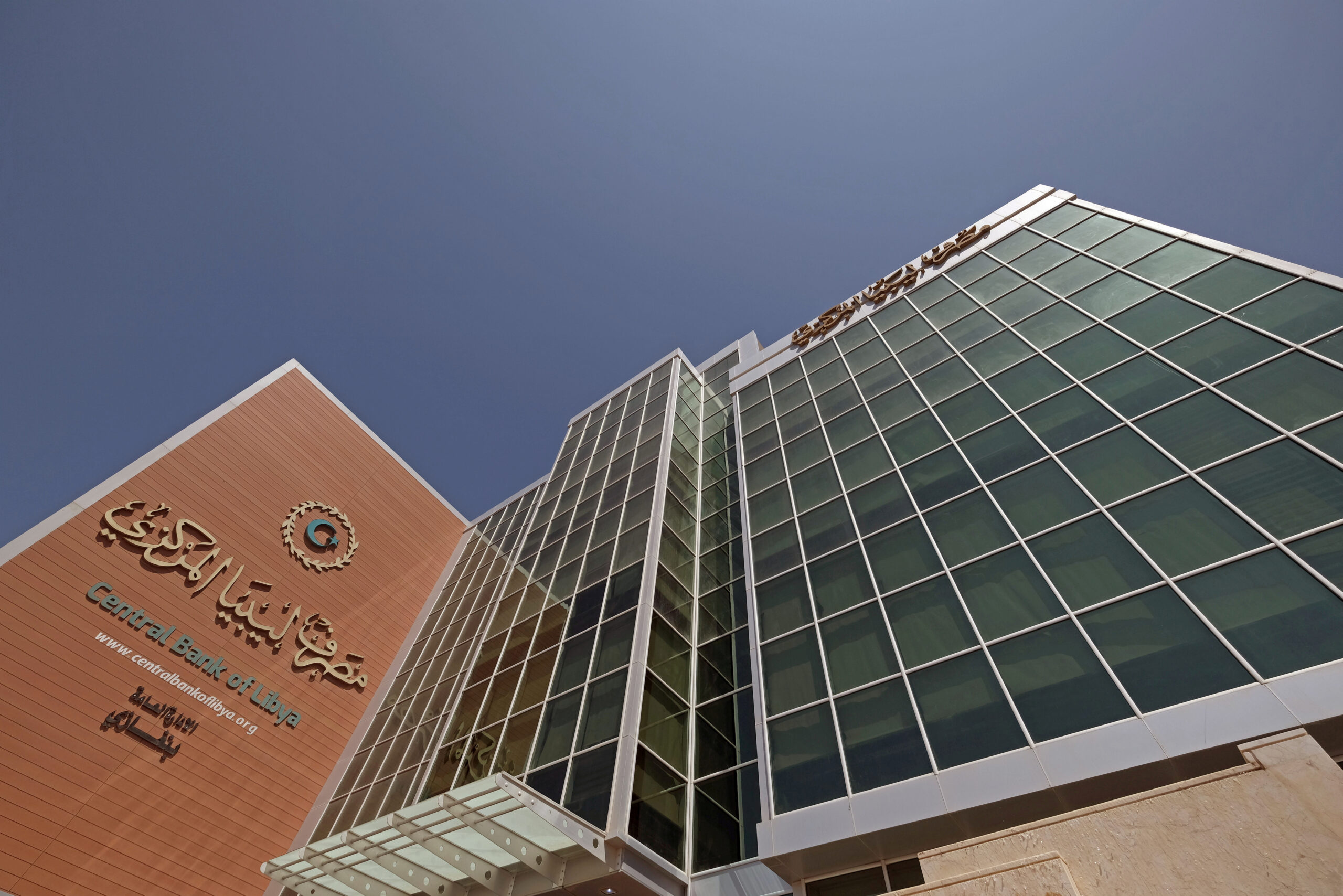
The Central Bank of Libya itself was divided for years between eastern and western branches before being partially unified under Naji Issa’s administration since 2024. Oil revenues flow through the National Oil Corporation to the Central Bank, but disputes over revenue distribution mechanisms between regions and competing institutions remained a constant flashpoint threatening any temporary stability.
Libya holds Africa’s largest proven oil reserves, but its production has not recovered to pre-2011 levels that exceeded 1.6 million barrels per day. Current production hovers around 1.2 million barrels daily during relative stability, but remains susceptible to sudden disruptions due to armed conflicts and political disputes.
Dimensions of the Agreement: Betting on an Uncertain Future
Economic Dimension: External financing outside the general budget reveals a financial model designed to protect investments from political fluctuations. This arrangement likely means foreign companies will recover their investments directly from production before transferring the Libyan state’s share, reducing their exposure to revenue disputes but raising questions about transparency and sovereignty over resources. The targeted increase of 850,000 barrels per day means more than doubling Waha Company’s production, an ambition requiring massive infrastructure investments and security stability currently unavailable.
Domestic Political Dimension: Signing the agreement strengthens al-Dbeibah’s government position as a legitimate authority capable of attracting major international investments, but raises sensitivities with eastern Libya, which effectively controls most oil infrastructure. The absence of any indication of coordination with the eastern government or Haftar could lead to new tensions, especially if the east feels its share of future revenues is unfair. Historically, Haftar used oil facility closures as a political weapon when he felt marginalized in financial arrangements.
Geopolitical Dimension: The entry of French TotalEnergies and American ConocoPhillips and Chevron at this scale rebalances economic influence in Libya in favor of Western powers, against Turkish and Russian influence. Turkey has militarily and economically supported al-Dbeibah’s government since 2019 and maintains forces at western bases, while Russia retains presence through private military companies (Wagner successors) at eastern bases. Massive Western investments in the oil sector mean deepening European and American economic interests, which could affect these countries’ positions on any future political settlement.
Regional Dimension: Cooperation with Egypt’s Ministry of Petroleum reflects Cairo’s attempt to secure its strategic interests in neighboring Libya through economic integration. Egypt, which previously militarily supported Haftar, now appears more inclined toward a pragmatic approach balancing relations with eastern and western Libya, focusing on stability and border security. Linking oil and gas infrastructure between the two countries, especially in border areas, could create shared interests promoting stability but also increases Cairo’s influence over Libyan decisions.
Reopening exploration rounds after a 17-year hiatus indicates desire to diversify investments and attract new companies, but this path’s success depends on Libya’s ability to overcome its institutional divisions and provide a stable legal and security environment. Current agreements represent a long-term bet on Libya’s ability to achieve political consensus that protects investments and ensures continued production—a bet whose results remain uncertain in a country that has not witnessed genuine stability for over a decade.