
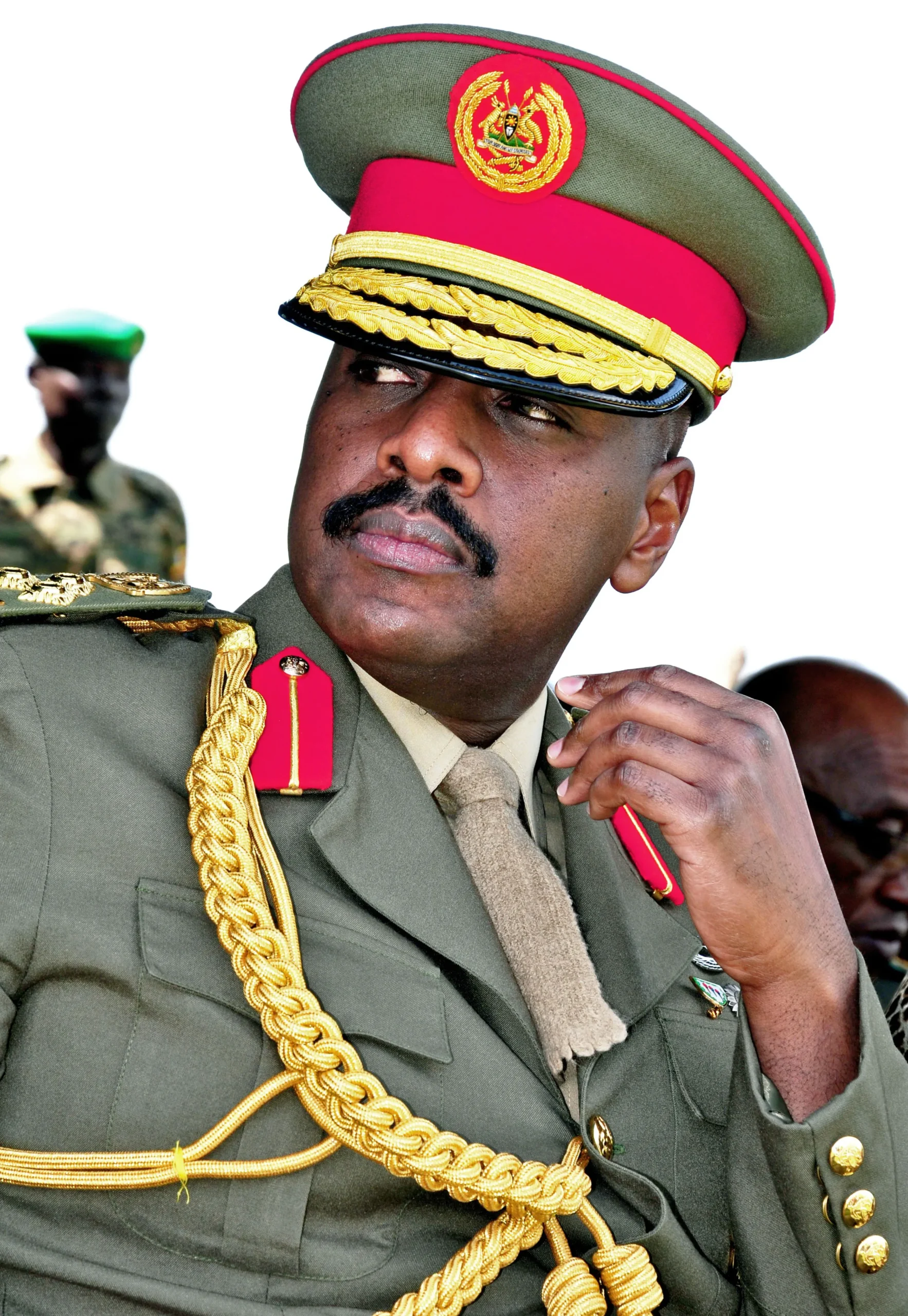
General Muhoozi Kainerugaba, commander of Uganda’s defense forces and son of President Yoweri Museveni, published a series of posts on X in rapid succession that elevated Uganda’s position on the Middle East war to a level no African nation had previously reached. He stated plainly: “We want the war in the Middle East to end now. The world is tired of it. But any talk of destroying or defeating Israel will bring us into the war. On the side of Israel.” He then added in a post later deleted that a single Ugandan brigade would be enough to “take Tehran in 72 hours without a single bomb,” describing American indifference to this offer as the result of not listening “to a Black man.”
Understanding this statement requires reading both the historical and contemporary context simultaneously. The Ugandan-Israeli relationship stretches back decades, though it passed through sharp turns under Idi Amin when Uganda harbored the hijackers of the French airliner at Entebbe in 1976. In recent decades, however, Israel has cultivated its relationship with Kampala through channels of security, intelligence, agriculture, and irrigation technology — a Gulf-style influence card planted in the Horn of Africa. The general himself had announced weeks earlier his intention to erect a statue of Yonatan Netanyahu, the Israeli prime minister’s brother killed during the Entebbe rescue operation, at the precise spot where he fell inside the airport. Republican Senator Jim Risch, chair of the Senate Foreign Relations Committee, warned that Muhoozi’s posts had “crossed a red line” and could trigger a review of the U.S.-Uganda security cooperation agreement — meaning Washington is watching these statements, not overlooking them.
The potential ramifications of this stance do not stop at the level of an individual declaration. General Muhoozi is not merely a military officer with an active digital presence; he is the country’s second most consequential figure by lineage and standing, and his statements have long been read as indicators of official policy even without formal endorsement. What can be read from this scene is that certain East African states have begun calculating their strategic interests independently of the collective African position of “neutrality” and independently of the Arab and Islamic solidarity stance with Iran. Kenya, Ethiopia, and Rwanda are all in the observation zone, each maintaining security and technical ties with Israel, and any of them could issue a similar statement in the weeks ahead. More significant is the absent question: will Washington leverage these alignments to build new security arrangements in the Horn of Africa in the post-war period, particularly around the Bab el-Mandeb corridor and the Red Sea? The answer will determine in part whether these declarations are mere rhetorical slippage or the opening of an African axis aligned with the American-Israeli alliance.