
What happened?
Armed clashes and mass displacement have intensified in South Sudan as the political process stalls and international attention wanes, amid mounting pressure from the neighboring Sudanese war that has added new economic and security burdens to a state that has never recovered from a civil war that nearly became genocide.
Context
South Sudan is the world’s youngest nation, born in 2011 amid great hopes that evaporated quickly in a devastating civil war between 2013 and 2018. The peace agreement that ended that war remained fragile — built on transactional accommodations of the moment rather than genuine reconciliation or solid institutional construction. The economy depends on oil exports for more than 90% of its revenues, making it acutely vulnerable to any security or technical disruption.
Military Dimension
Fighting has resumed between armed factions loyal to different political actors across several areas. The national army continues to suffer deep structural imbalances that make it closer to a collection of personalist militias than a unified national military institution. The risk of reproducing the 2013 scenario is real, even if its dynamics will differ this time.
Humanitarian Dimension
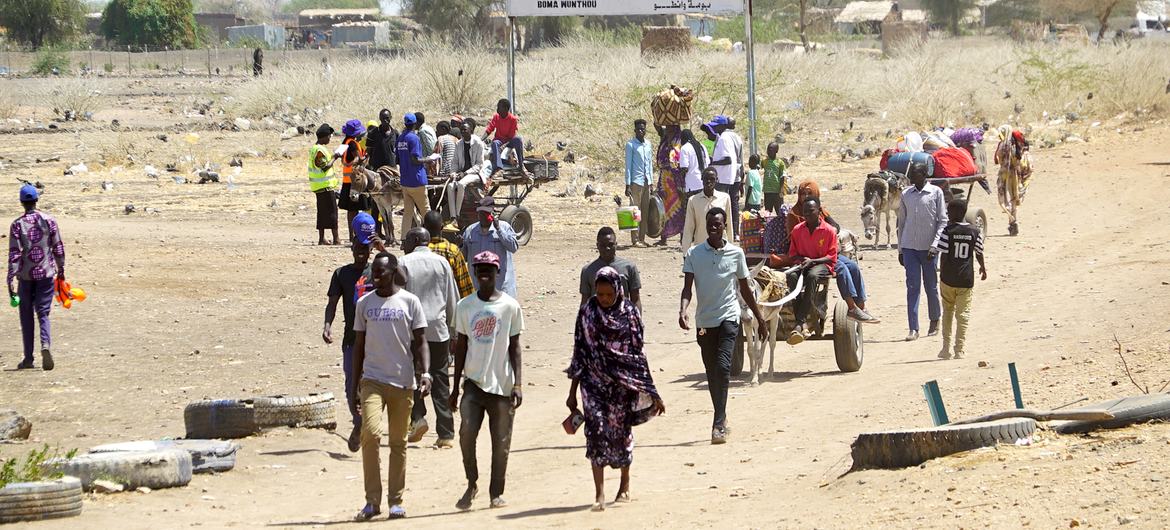
180,000 newly displaced people in recent months are added to millions of chronically displaced. Health and food infrastructure is operating far below necessary capacity. Food prices have risen as supply lines from Sudan have been severed and import costs have climbed.
Economic & Regional Dimension
South Sudan exports its oil through a pipeline running through Sudan, and the Sudanese war has disrupted this corridor, costing Juba vital revenues. This economic pressure feeds internal political tensions and makes it harder for the government to honor its commitments to armed factions under the peace agreement.
Diplomatic Dimension
International attention has shifted away from South Sudan toward crises with higher media profiles. The UN Mission (UNMISS) is operating but with resources disproportionate to the scale of the challenge. The African Union faces competing priorities across a continent burdened with accumulated crises.
30–90 Day Assessment
- Medium-to-high risk of a return to widespread low-intensity conflict
- Possible partial suspension of oil exports if fighting reaches production areas
Early Warning Indicators
- New electoral postponements signaling breakdown of the political settlement
- Attacks on oil facilities or pipelines
Armed factions withdrawing from peace agreement mechanisms