
What’s the News?
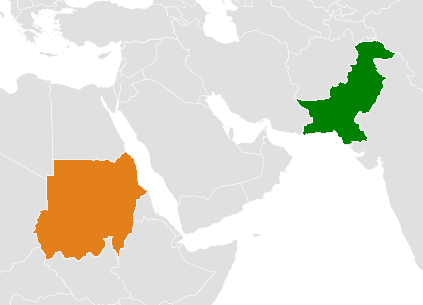
Pakistan, with Saudi mediation, is nearing completion of a $1.5 billion arms deal with Sudan, including Karakoram-8 aircraft, more than 200 drones, and air defense systems, potentially also including JF-17 multirole fighter jets produced jointly by Pakistan and China.
Brief Background
The Pakistani deal reflects the emergence of a growing Saudi-Egyptian-Turkish axis to support the Sudanese Armed Forces (SAF) against the Rapid Support Forces (RSF). This alliance, crystallized through high-level summits during 2024, is based on a shared assessment that control of a country of Sudan’s size and strategic importance by a non-state armed force would set a dangerous precedent for regional stability.
Pakistan’s entry into this alignment through a major arms package with Saudi mediation reflects its participation in a broader defense network linked to its deep military ties with Riyadh.
Why Does It Matter?
Abandoning the Diplomatic Track: Regional parties are abandoning the negotiation track in favor of military escalation. Saudi Arabia, portrayed as a principal sponsor of diplomatic efforts through the Quartet framework and Jeddah negotiation platform, appears to have reassessed its position after negotiations failed to produce a durable ceasefire and amid escalating humanitarian violations documented by the UN.
Re-engineering the Military Balance: Riyadh assesses that continuation of the Sudanese conflict poses a direct threat to Red Sea stability and fears Sudan could become a staging ground for cross-border armed groups. Diplomatic sources indicate Saudi Arabia believes the RSF, backed by the UAE, has developed capabilities encouraging it to pursue full military victory, making tipping the balance toward the SAF necessary to force both sides back to meaningful negotiations.
Implications
Transforming Sudan into Proxy War Arena:
- The Pakistani deal will temporarily alter battlefield dynamics but significantly narrows diplomatic maneuvering space
- The RSF, despite extensive control over Darfur and parts of Kordofan, suffers from limited air capabilities
- The arms race will not resolve the war but will transform Sudan into a proxy conflict arena like Libya, where politics becomes tactics and weapons continuous fuel
Complicating Regional Environment:
- Escalating Saudi-Emirati competition in the Horn of Africa
- Deepening regional divisions over managing the Sudanese crisis
- Increased likelihood of additional regional parties being drawn into the conflict
Humanitarian Cost:
- Postponing any horizon for political settlement
- Continued suffering of millions of Sudanese
- Transforming the war from local conflict to extended regional dispute
What to Watch?
Pakistani Deal Implementation:
- Delivery timeline and its impact on military balance
- RSF reaction and attempts to obtain balancing weapons
- Emirati backers’ position and alternative supply lines
American Position:
- Extent of actual coordination between Washington, Riyadh, and Islamabad
- Will the American administration continue supporting the diplomatic track or adapt to the new military reality?
- Impact of Pakistani Army Chief’s White House visit on regional calculations
Saudi-Egyptian-Turkish Alliance:
- Level of actual coordination among the three parties
- Possibility of additional military support to the SAF
- Egypt’s position on activating joint defense mechanisms with Sudan
Logistics Networks:
- RSF supply lines through Chad, South Sudan, and Central African Republic
- Weapons flow from Libya
- Role of regional ports in facilitating arms shipments
Diplomatic Track:
- Fate of Quartet framework and Jeddah negotiation platform
- Prospects for new mediation initiatives
- African Union and UN positions
Humanitarian Repercussions:
- Military escalation’s impact on displacement waves
- Humanitarian organizations’ ability to reach affected populations
- Possibilities of escalating famine and health crisis