
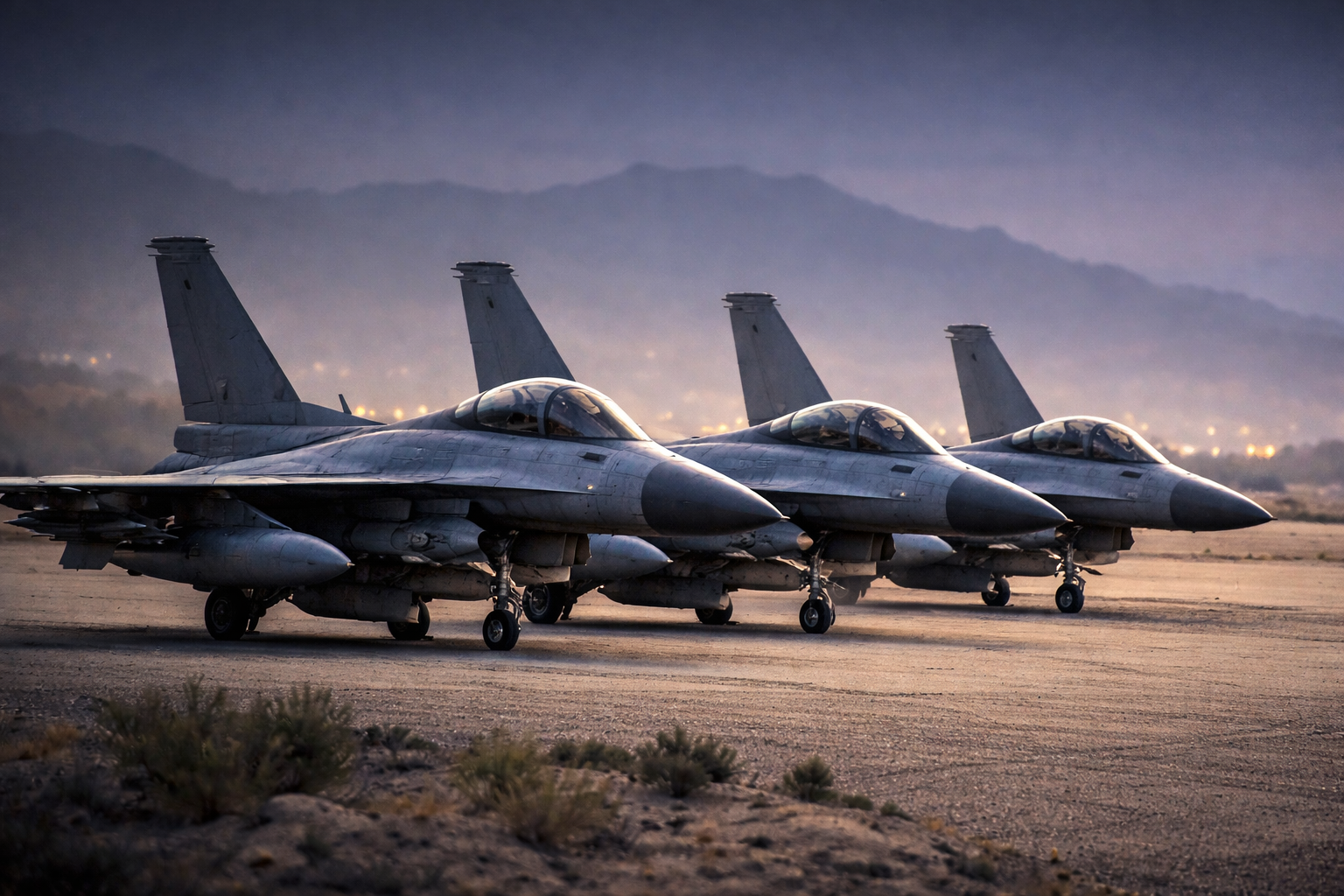
The News Pakistan has suspended a $1.5 billion deal to supply weapons and jets to Sudan after Saudi Arabia asked for the agreement to be terminated and refused to finance the purchase, according to two Pakistani security sources and a diplomatic source. Reuters had previously reported in January that the deal was in its final stages and had been brokered by Saudi Arabia, though no Saudi financing was disclosed at the time. Sources indicate that this shift came after Riyadh reassessed its involvement in regional conflicts, including the war in Sudan. In a significant parallel development, another reported defense deal worth approximately $4 billion linked to the Libyan National Army is also facing growing uncertainty, with indications that Saudi Arabia is reviewing its strategic posture in both Sudan and Libya.
Why It Matters to America This development reveals that Saudi Arabia is now exercising direct influence over the flow of arms to Sudanese factions — a matter that directly touches U.S. strategic interests in the Horn of Africa. Washington, which has sanctioned the Rapid Support Forces and accused them of genocide, sees Saudi pressure on Pakistan as broadly aligned with its own stabilization goals. In this context, one detail from Reuters carries particular weight: Western countries had advised Riyadh to stay away from proxy wars in Africa — a message that likely contributed directly to the decision to freeze the deal. Yet the broader picture remains deeply complicated. While both Riyadh and Abu Dhabi publicly claim to support a diplomatic resolution, Saudi Arabia backs Sudan’s army while the UAE stands accused of providing logistical support to the RSF — a charge it officially denies. This Gulf rivalry plays out directly over the Red Sea and Gulf of Aden, waterways that are critical to American strategic interests.
The Consequences The conflict between Sudan’s army and the RSF has turned the country into a flashpoint for competing foreign interests, threatening to fracture a major Red Sea gold producer. At a broader level, freezing the deal deepens the rift between Riyadh and Abu Dhabi, who back opposite sides in the war. The suspended Pakistani deal was also part of a wider push for Pakistani defense exports that gained international attention following last year’s border tensions with India. Underpinning all of this is the deep Saudi-Pakistani strategic partnership, which was cemented further by a mutual defense pact in 2025 that treats an attack on either country as an attack on both.
Three Scenarios
1. Ceasefire and Renegotiation Saudi pressure — backed by explicit Western advice to step back from proxy wars — pushes both Sudanese sides back toward the negotiating table, and the frozen deal becomes a diplomatic lever paving the way for a transitional settlement.
2. Continuation Through Alternative Channels (most likely) Burhan’s camp seeks alternative arms suppliers — Turkey and Iran are natural candidates — while Hemeti continues relying on the UAE’s extended network across neighboring states. The war goes on without resolution.
3. Saudi Retreat from African Proxy Politics This move sets a precedent for a new Saudi posture of pulling back from African proxy conflicts under Western pressure, potentially opening space for other powers — Turkey and China chief among them — to expand their footprint in the Horn of Africa at Riyadh’s expense.