
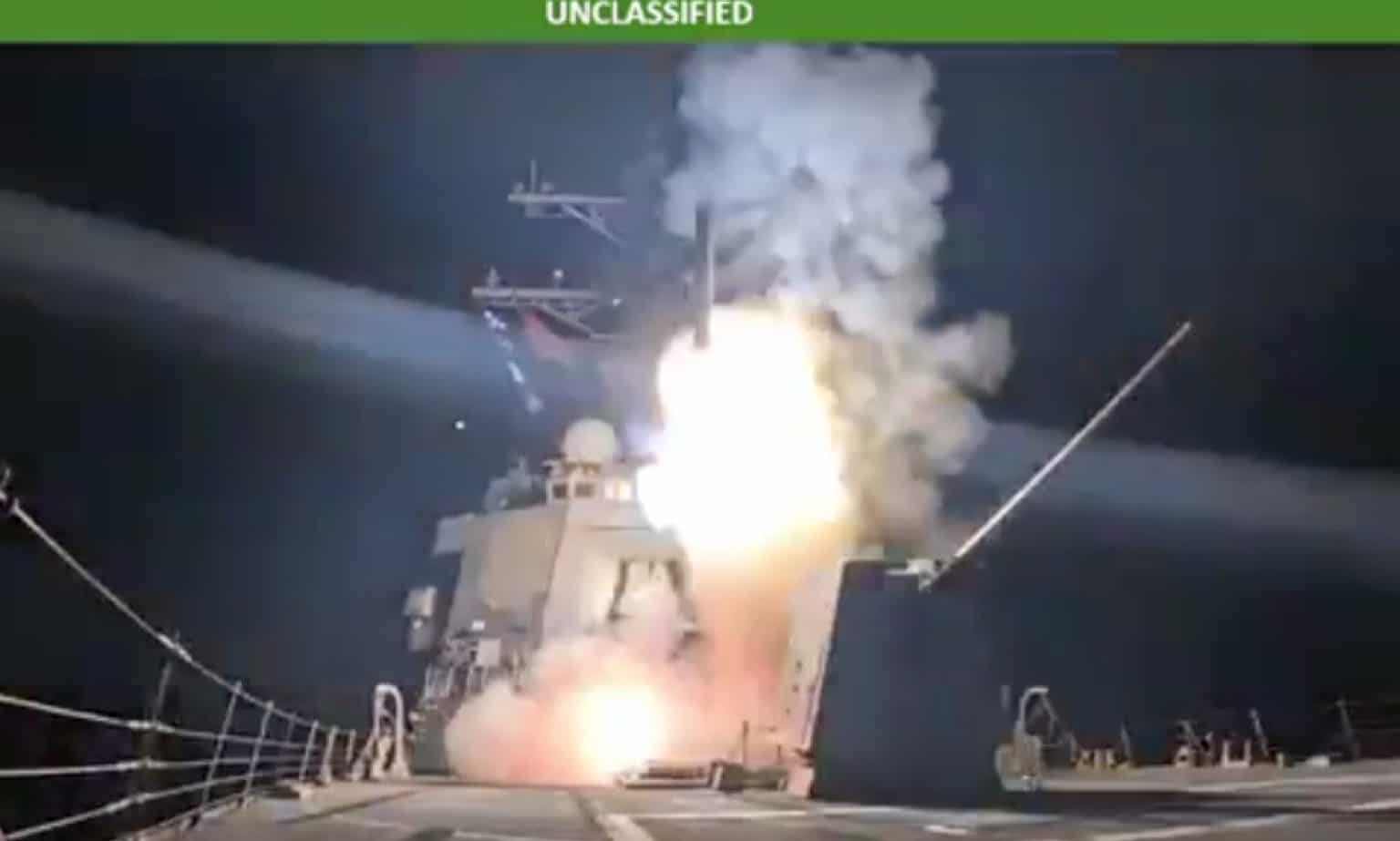
The News: Nigeria’s Foreign Ministry confirmed Friday that security cooperation with the United States remains active, responding to recent US airstrikes against ISIS (Daesh) positions in northwest Nigeria. The statement positions these operations within an established framework of bilateral counterterrorism collaboration.
Why It Matters: This confirmation signals a critical shift in how both governments publicly acknowledge direct US military involvement in Nigeria’s internal security challenges. While security partnerships have existed, explicit American airstrikes on Nigerian soil—and Abuja’s swift validation of them—reflect an escalating terrorism threat that Nigerian forces cannot contain alone. The public nature of this acknowledgment suggests either a new phase of operational transparency or pressure to justify foreign military action to domestic audiences.
Regional Security Context: Northwest Nigeria has become increasingly volatile as ISIS-affiliated groups expand beyond their traditional northeastern strongholds in Borno and Yobe states. The spread westward toward Niger and Burkina Faso borders creates a widening Sahel corridor where jihadist networks exploit porous boundaries, weak governance, and inter-communal tensions. US strikes in this region indicate American intelligence assessments view these groups as transnational threats requiring direct intervention rather than advisory support alone.
Strategic Implications: Nigeria’s openness to publicized US strikes contrasts sharply with growing anti-Western sentiment across francophone Sahel states, where military juntas have expelled French forces and embraced Russian Wagner Group mercenaries. Abuja’s continued alignment with Washington offers the US a crucial operational foothold in West Africa’s largest economy and most populous nation. However, this partnership faces domestic political risks—Nigeria’s opposition parties and civil society groups have historically criticized foreign military presence as sovereignty violations, while Islamic communities in the north view Western intervention with suspicion.
Previous Context: US involvement in Nigeria’s counterterrorism efforts has primarily consisted of intelligence sharing, training programs, and logistical support since Boko Haram’s insurgency intensified in 2009. Direct American military action has been rare and typically covert. The Biden administration designated several ISIS-West Africa Province commanders as global terrorists and provided surveillance capabilities, but kinetic operations remained largely in Nigerian hands. This latest development suggests either operational necessity due to Nigerian military limitations or strategic recalculation about the regional ISIS threat’s growth trajectory.
What to Monitor:
- Domestic political reaction: Watch for statements from Nigerian opposition parties, civil society organizations, and northern Islamic leaders regarding US military operations on Nigerian soil—pushback could constrain future cooperation.
- Operational escalation: Track whether US strikes become regular occurrences or remain isolated incidents, signaling either tactical support or strategic mission expansion.
- ISIS-WA response: Monitor jihadist group reactions and potential retaliatory attacks against Nigerian government or Western targets, which could trigger further intervention cycles.
- Regional spillover: Observe whether US-Nigeria cooperation prompts similar arrangements with neighboring states (Niger, Chad, Cameroon) or exacerbates anti-Western sentiment in junta-led countries.
- Congressional oversight: Follow US legislative discussions about military authorization and transparency requirements for operations in Nigeria, particularly as 2026 elections approach.