
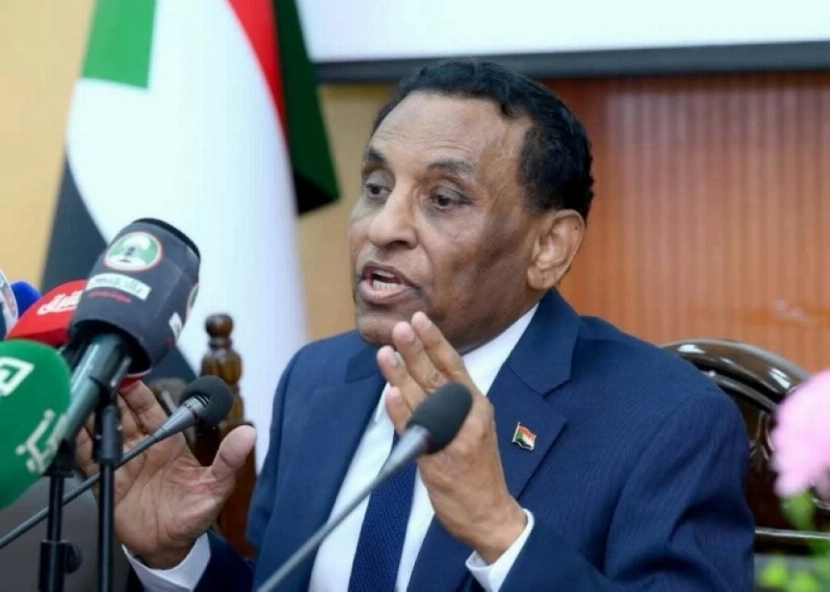
The Event:
On January 11, 2026, Prime Minister Kamel Idris officially announced the Sudanese government’s return to the capital Khartoum after nearly three years of operating from Port Sudan as a temporary wartime capital. In his speech, Idris said: “Today we return, and the Government of Hope returns to the national capital,” promising “better services, better healthcare, rebuilding hospitals, developing educational services, and improving electricity, water, and sanitation.”
Background:
When the war broke out on April 15, 2023, the Rapid Support Forces quickly seized control of most parts of Khartoum, forcing the government allied with the Sudanese army to flee to Port Sudan on the Red Sea coast, more than 800 kilometers from the capital. Port Sudan remained the war capital throughout this period. In March 2025, after a military operation that lasted months, the Sudanese army succeeded in regaining control of Khartoum and pushing out the Rapid Support Forces. Since May 2025, the government began gradual preparations for return, and in August 2025 Idris promised to return before November, but the actual return was delayed until January 2026.
Analysis:
Deep Political Symbolism: The return to Khartoum is not merely a relocation of administrative offices but a powerful political statement. In Sudanese and global political culture, control of the capital means legitimacy and sovereignty. By returning to Khartoum, the army-backed government is attempting to send a clear message: we are the legitimate authority, we control state institutions, and the Rapid Support Forces are merely a “rebel militia.” This message is directed at Sudanese themselves, the international community, and the Rapid Support Forces.
Reality on the Ground – Enormous Challenges: But symbolism collides with harsh reality. Khartoum is a destroyed city after years of fierce fighting. Basic infrastructure – electricity, water, sanitation, roads, hospitals, schools – are all in a deplorable state. Millions of residents were displaced from the city, and about 2.6 million people have already returned to find destroyed homes and non-existent services. Returning residents live in extremely difficult conditions and rely on local coping mechanisms such as community emergency rooms organized by volunteers.
Political Risks: A former official criticized this move, saying it might “drain scarce resources from basic infrastructure and services to prepare the government’s own offices.” This is a fundamental criticism: at a time when ordinary Sudanese need every pound to rebuild their lives, is it wise to spend huge resources on government offices? If the government fails to deliver tangible improvement in residents’ daily lives, this return may turn into a public relations disaster, and the government will lose more popular credibility.
Reconstruction Plan – Ambition or Illusion?: Prime Minister Idris received at the beginning of 2026 the “Khartoum Reconstruction and Recovery Strategy 2026-2036” document, which focuses on transport, education, health, and environmental finance. But the critical question: where will the resources come from? The country is at war, the economy is collapsed, inflation is rampant, and international aid is scarce. A ten-year strategy in a country that doesn’t know if the war will end next month seems unrealistic.
Legitimacy Debate: While the government claims to represent the Sudanese state, reality is more complex. This is a government appointed by a military leadership that seized power in the October 2021 coup and lacks any electoral legitimacy. Effective control on the ground is fragmented: the army controls the east and capital, and the Rapid Support Forces control vast areas in the west. The question arises: is this the “government of Sudan” or the “government of part of Sudan”?
Performance Test: The return to Khartoum is a real test of this government’s ability to actually govern and not just claim legitimacy. If it can improve the daily lives of Khartoum residents – even modestly – it may gain some popular legitimacy. If it fails, its return will be merely an empty political spectacle, and Sudanese may lose more trust in any authority.
Continuing Security Danger: The Rapid Support Forces demonstrated in the Sinja attack that they are capable of striking targets in “safe” areas. Could they try to strike Khartoum again to embarrass the government? This is a possible scenario and will test the seriousness of security around the capital.
Consequences:
Short-term:
- High expectations from residents for service improvement
- Enormous pressure on the government to prove its competence
- Possible security tension if the RSF tries to strike the capital
Medium-term:
- If the government succeeds, it may gain political momentum in peace attempts
- If it fails, calls for a genuine civilian political alternative may increase
International Importance: The international community is watching: is this an authority capable of governing Sudan in the post-war phase? Performance in Khartoum will affect donor support and state recognition.