
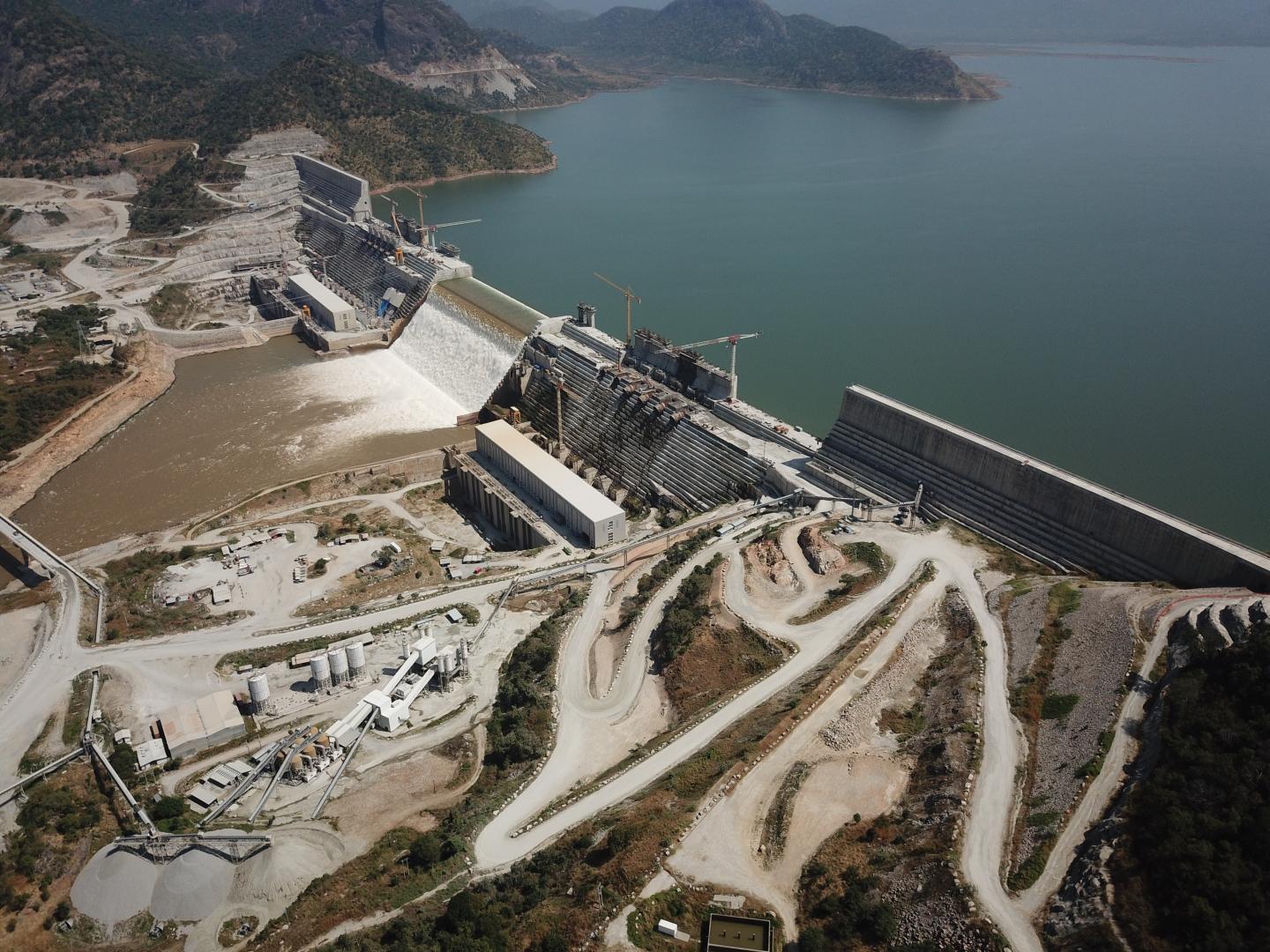
The News Dr. Abbas Sharaky, Professor of Water Resources at Cairo University, warned that the Renaissance Dam’s reservoir level remains elevated at 629 meters, while the dam suffers from underperforming turbines. With the rainy season weeks away, the expert cautioned that failure to gradually draw down the reservoir before August–September could force Ethiopia to open its spillway gates abruptly, repeating the flood scenario that previously inundated parts of Sudan. Simultaneously, Ethiopia’s parliament is advancing a Freedom of Information Bill that grants the government broad powers to restrict access to security, defense, and economic data.
Why It Matters to America The water security of the Nile for Egypt and Sudan — two countries central to U.S. regional strategy — is directly tied to operational decisions made unilaterally by Ethiopia without a binding legal agreement. The information restriction bill raises American concerns in the context of security partnerships conditioned on transparency and human rights standards.
Consequences The absence of a binding operating agreement leaves floods and drought hostage to a unilateral Ethiopian political decision. Any water disaster striking war-exhausted Sudan would compound the humanitarian crisis and obstruct international relief efforts. The information bill may narrow the space for civilian oversight at a moment when Ethiopia’s internal tensions are rising.
Scenarios
- Water Escalation: Ethiopia fails to manage drawdown before the rains and opens the gates abruptly; floods strike Sudan’s already devastated areas, turning the humanitarian crisis into an existential catastrophe.
- Quiet De-escalation: Addis Ababa conducts a gradual drawdown under Egyptian and UN pressure, averting the water disaster and opening a narrow window for limited negotiations.
- Internationalization of the File: Technical expert warnings translate into a political argument before the Security Council to impose international monitoring of dam management, returning the issue to acute diplomatic tension.