
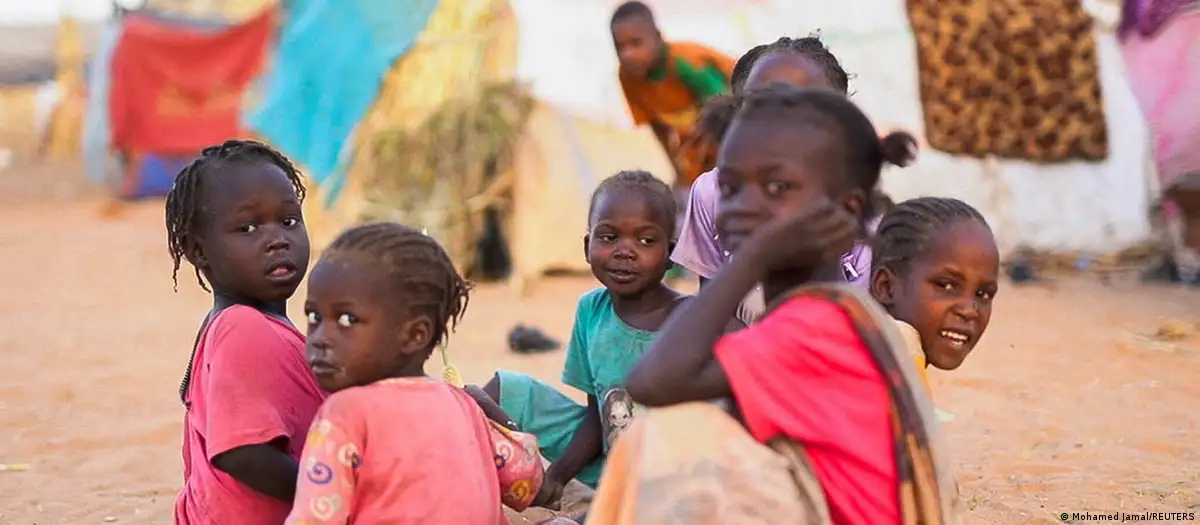
The News: On April 2, the United Nations reopened its main headquarters in Khartoum for the first time since the war erupted in April 2023, with Foreign Minister Muhyiddin Salem and senior UN officials in attendance. Nine UN agencies returned to operate from the capital, including OCHA, UN Women, and UNHCR. In parallel, U.S. Presidential Adviser for Africa and the Middle East Massad Boulos presented to the Security Council on March 28 an American draft framework for halting the fighting, built on five pillars: a humanitarian truce, sustained aid access, a permanent ceasefire with security arrangements, a civilian political transition, and a long-term recovery and reconstruction program. On the ground, the humanitarian crisis in Blue Nile State deepens — at least 4,000 people fled to Ethiopia in March alone. The United Civil Forces (QIMAM) warned against the Muslim Brotherhood’s exploitation of the war to mobilize civilians and expand their armed presence. UN Envoy Havisto also met with retired military leaders in Cairo to explore settlement pathways.
Why It Matters to America: The UN’s return to Khartoum signals that the Sudanese government is incrementally recovering international legitimacy. The American initiative at the Security Council is the most serious attempt in years to impose a political framework — but it arrives amid sharp competition for influence from Russia, Turkey, and Qatar, each with interests that obstruct a genuine settlement. According to the UN Panel of Experts report, southern Libya is becoming a primary corridor for transferring mercenaries and weapons to the Rapid Support Forces, linking the Libyan and Sudanese crises into a single dynamic.
Consequences: 33.7 million people in Sudan will require humanitarian assistance in 2026 — a figure unprecedented in the continent’s history. The growing armed influence of Islamist factions inside the Sudanese Army, including elements linked to ISIS, complicates any political settlement and erodes the trust necessary for negotiations. The Berlin Conference on April 15 has become the last viable opportunity before the file enters prolonged stagnation.
Three Scenarios:
- Breakthrough: The American draft succeeds in securing both parties’ agreement to a three-month truce at Berlin, a broader humanitarian corridor opens, and political negotiations resume.
- Stall: Russia and Turkey block any binding Security Council resolution, and the truce remains poorly implemented.
- Escalation: The Army launches a major military operation before Berlin, closing the door on any settlement and resetting the file to square one.