
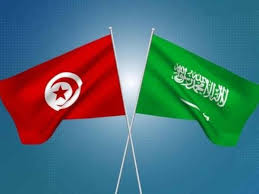
The News: Tunisia and Saudi Arabia signed five agreements and memorandums of understanding Sunday during the 12th session of their Joint Committee in Riyadh, covering economic and media sectors. The accords emerged from two days of bilateral discussions aimed at expanding cooperation between the North African nation and the Gulf kingdom.
Why It Matters: These agreements represent Tunisia’s intensified pivot toward Gulf capitals for economic support as the country faces mounting fiscal pressures and strained relations with traditional Western partners. With Tunisia’s IMF negotiations repeatedly stalling over President Kais Saied’s resistance to subsidy reforms and public sector restructuring, Riyadh’s engagement offers alternative financing pathways that come with fewer governance conditions. For Saudi Arabia, deeper Tunisian ties extend Crown Prince Mohammed bin Salman’s strategy of building influence across North Africa through economic statecraft rather than ideological alignment.
Economic Context: Tunisia’s foreign currency reserves remain critically low, covering barely three months of imports, while inflation erodes purchasing power and unemployment—particularly among youth—fuels social instability. The country requires approximately $3-4 billion annually to meet external financing needs, but Western donors have grown cautious following Saied’s democratic backsliding since his 2021 constitutional power grab. Gulf states, led by Saudi Arabia and the UAE, have positioned themselves as pragmatic alternatives, offering deposit injections, investment pledges, and energy support without democracy preconditions.
Regional Dynamics: Saudi Arabia’s increased engagement with Tunisia mirrors broader Gulf investment patterns across North Africa, where economic leverage translates into geopolitical influence. Riyadh seeks stable partnerships that can counterbalance Turkish and Qatari influence in the region while securing Mediterranean access points and diversifying Vision 2030 investment portfolios beyond the Gulf. Tunisia’s strategic location, educated workforce, and relative stability compared to Libya make it an attractive partner despite governance concerns. The media cooperation component of these agreements likely reflects Saudi efforts to shape regional narratives and counter Al Jazeera’s influence in North African information spaces.
Previous Bilateral Relations: Saudi-Tunisian ties strengthened significantly after Saied consolidated power, with the kingdom providing $500 million in deposits to Tunisia’s central bank in 2022 and pledging additional support during subsequent crises. The Joint Committee mechanism dates back decades but has gained renewed importance as Tunisia’s traditional European partners—particularly France—express frustration with Saied’s authoritarian trajectory and refusal to implement economic reforms. Previous committee sessions yielded cooperation in agriculture, tourism, and energy, though implementation has been uneven. Sunday’s agreements suggest both parties are moving toward more concrete, enforceable commitments as Tunisia’s economic situation deteriorates and Saudi Arabia seeks tangible returns on its North African investments.
What to Monitor:
- Implementation timeline: Track whether these MOUs translate into actual capital flows and project launches within 3-6 months, or remain symbolic gestures—past agreements have suffered from execution gaps.
- IMF negotiations: Observe if Saudi support reduces Tunisian urgency for IMF agreement or provides leverage for Saied to reject reform conditions entirely, potentially triggering Western aid suspension.
- Social stability indicators: Watch bread prices, fuel availability, and unemployment figures—Saudi assistance may temporarily stabilize conditions, but structural problems persist without reforms.
- Political developments: Monitor whether economic breathing room enables Saied to further consolidate authoritarian control or whether economic pressures force political concessions ahead of any electoral processes.
- Regional competition: Follow UAE, Qatar, and Turkey responses—competing Gulf and regional powers may increase their own Tunisian engagement to maintain influence.
- European reaction: Track EU and French policy adjustments if Gulf financing allows Tunisia to avoid democratic governance conditions tied to Western assistance programs.