
What Happened?
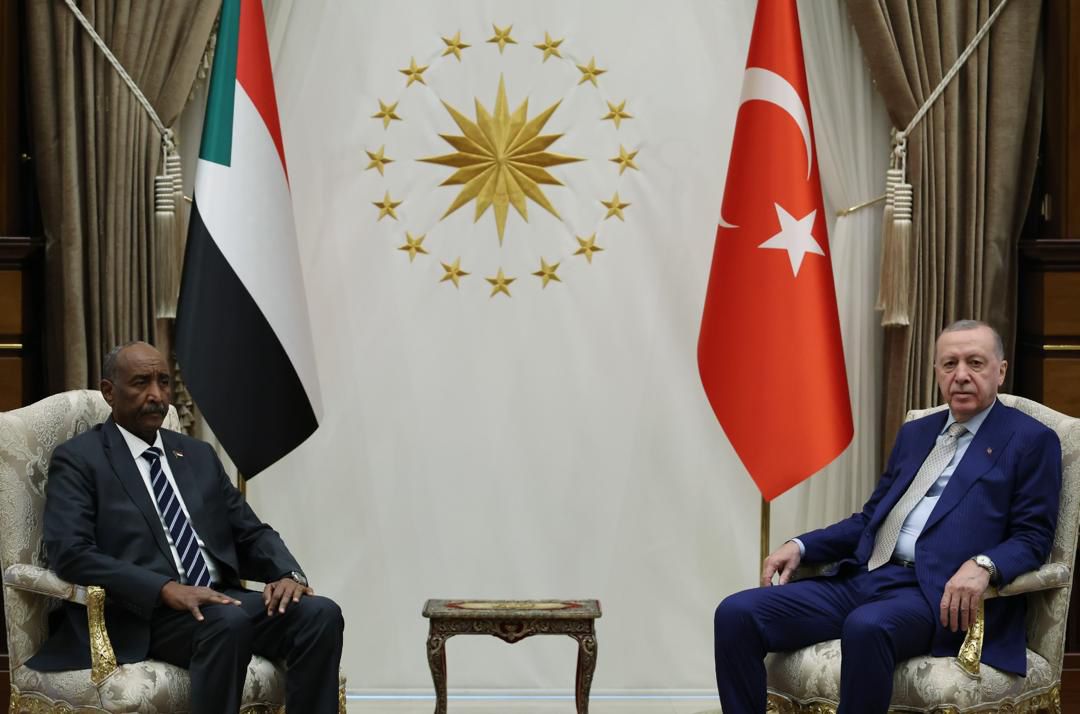
On December 25, 2025, Sudanese army chief Abdel Fattah Al-Burhan visited Ankara and met President Erdoğan in his most significant foreign trip since the war began in April 2023. While officially about “bilateral relations and humanitarian crisis,” the visit’s real focus was military cooperation — particularly Turkish drones that are changing the war’s trajectory.
The Military Reality: Turkish Drones in Sudan’s War
Game-Changer on the Battlefield
Since mid-2024, the Sudanese army has deployed Turkish-made drones (likely Bayraktar TB2 and ANKA-S) against the Rapid Support Forces (RSF), creating a tactical shift:
- Precision strikes on RSF positions in Darfur and Kordofan
- Destruction of supply lines and heavy equipment
- Air superiority shifting to the army
- Morale boost for government forces
Field reports confirm deaths and injuries from drone strikes — evidence of intensive use in the conflict.
Why It Matters
Turkey’s drones proved effective in Libya, Nagorno-Karabakh, Syria, and Ukraine. Sudan is the latest testing ground for Turkish military technology in desert warfare.
What Al-Burhan Wanted
More weapons:
- Additional drones and spare parts
- Air defense systems
- Advanced training for operators
Strategic backing:
- Intelligence sharing on RSF movements
- Logistical support
- International legitimacy as Sudan’s leader
Deterrence message to RSF and the UAE:
“The army has powerful backers — you won’t win this war.”
What Turkey Gains
Strategic foothold:
- Influence in the Red Sea and Horn of Africa
- Access to Sudanese ports (especially Port Sudan)
- Counter UAE-Egyptian regional dominance
Economic benefits:
- Arms sales market
- Real combat testing for drone technology
- Infrastructure and investment deals
Geopolitical leverage:
- Weakening UAE influence in Sudan
- Positioning as key mediator in African conflicts
- Expanding post-Libya regional presence
The Proxy War Dimension
Sudan’s conflict is now a regional power struggle:
Turkish-Qatari Axis:
- Arms and drones to the Sudanese army
- Political support for Al-Burhan
- Port access and economic deals
UAE-Egyptian Axis:
- Alleged arms to RSF through Chad/Libya
- Financial and logistical support
- Competition for Red Sea influence
Al-Burhan’s Turkey visit = Direct challenge to UAE’s Sudan strategy
Implications
Military:
- Escalation, not de-escalation
- More drone strikes = more civilian casualties
- RSF may seek anti-aircraft weapons from backers
- War likely to prolong rather than conclude
Political:
- Strengthens Al-Burhan’s position domestically
- Complicates international mediation efforts
- Embarrasses ceasefire advocates (U.S., Saudi Arabia, Egypt)
Humanitarian:
- 30 million people already need aid
- Airstrikes increase infrastructure destruction
- Aid delivery becomes harder in combat zones
- Suffering intensifies
What to Watch
Immediate:
- New arms shipments from Turkey
- Increased drone strikes in conflict zones
- RSF response and potential anti-aircraft acquisitions
- UAE reaction
Short-term:
- Port Sudan deal formalization
- International Quartet response
- Russian involvement (Wagner/Africa Corps)
Long-term:
- Whether drones decide the war or prolong it
- Potential Turkish military base in Sudan
- Collapse of peace negotiations
- Regional realignment in Horn of Africa
Bottom Line
Al-Burhan’s Ankara visit wasn’t about peace — it was about securing weapons to win the war.
The deal:
- Turkey provides drones and military support
- Sudan offers ports, influence, and markets
- Result: War escalation, not resolution
The question:
Will Turkish drones deliver victory for Al-Burhan? Or turn Sudan into a prolonged, devastating proxy war?
What’s certain:
- Civilians will suffer most
- Sudan is now a Turkish-UAE battleground
- The war just got deadlier