
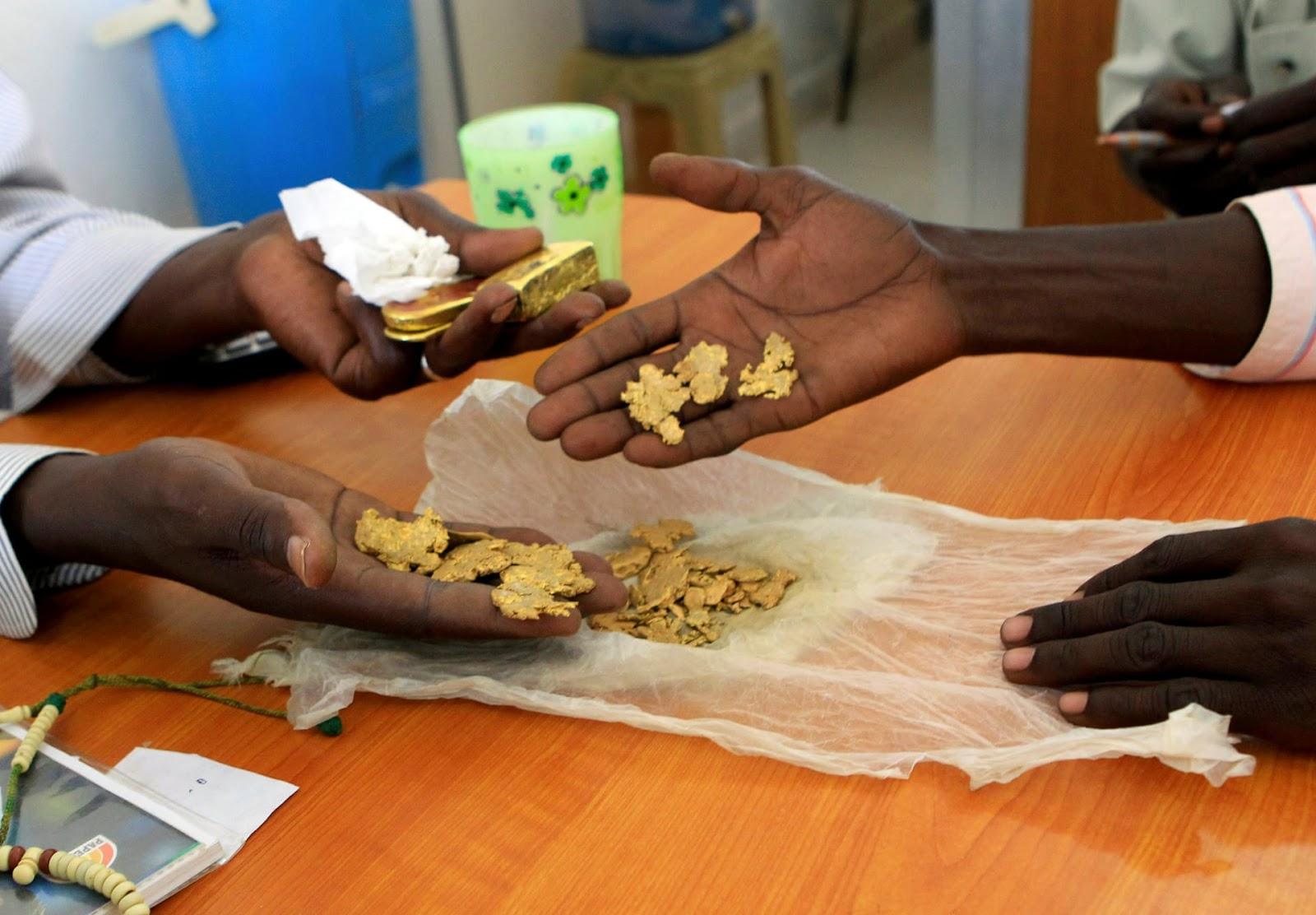
The “gold strife” crisis between Egypt and Sudan revolves around the overlap of three highly sensitive files: unregulated artisanal gold mining, the security of the Egyptian-Sudanese border, and the Sudanese war that has turned the north, the desert, and the smuggling corridors into combustible zones. The spark came with the circulation of Sudanese accounts of deaths and injuries among traditional miners near the Jabal al-Aqidat area north of Wadi Halfa, close to the Egyptian border, following shelling or an armed attack attributed in some accounts to Egypt — before the incident quickly turned into a media and political campaign on social-media platforms. The crisis has brought back to the fore a vast sector of haphazard mining that operates outside legal safeguards and whose revenues never reach the public treasury.
What happened on the ground?
The Sudanese narrative described the targeting of artisanal mining areas in Sudan’s far north, where large numbers of “dahaba” — traditional gold prospectors — are present. According to statements by people working in artisanal mining, deaths and injuries resulted from shelling by warplanes and drones that struck the vicinity of Jabal al-Aqidat, while a coalition loyal to the Rapid Support Forces and Sudanese parties accused Egypt of being behind the strikes. Egypt, for its part, issued no acknowledgment of this account; rather, the Egyptian military statement came in a different context, focused on a security campaign within the scope of the Southern Military Zone against criminal hotspots.
The Egyptian military statement
The statement attributed to the Egyptian military spokesman said that the armed forces, in cooperation with the Ministry of Interior, had carried out an expanded campaign in the Southern Military Zone sector against criminal hotspots exploited by organizations and networks engaged in illicit activities — including drug and arms trafficking, illegal gold mining, and illegal migration. The statement deemed these activities a direct threat to national security, with negative effects on economic stability, the investment climate, and development efforts.
According to the statement, the campaign resulted in the arrest of 87 Egyptians and 136 foreigners, along with 14 vehicles, wireless communication devices, sums of money in Egyptian pounds and foreign currencies, quantities of unlicensed weapons and ammunition, and equipment used in the haphazard mining of mineral wealth. It also noted the seizure of infiltrating elements lacking official residency documents, the referral of the individuals and seized items to the competent judicial authorities, and the repatriation of those who turned themselves in, with consideration for humanitarian needs.
Sudan’s position and al-Burhan
On the Sudanese side, Sovereignty Council Chairman Abdel Fattah al-Burhan sought to contain the tension from the angle of border control rather than open escalation with Egypt. He called on artisanal miners to abide by Sudan’s borders and not cross into neighboring countries, and said the Sudanese state is responsible for its citizens and is verifying what happened amid “conflicting accounts” about some people crossing the border and being beaten. This wording is significant because it carries a dual message: acknowledging the existence of a crisis and of victims or those harmed, while at the same time avoiding a direct confrontation with Cairo.
The rumor of the 108 mines
Tensions flared further after the spread of claims that Egypt had signed contracts to establish 108 gold and precious-metal mines in northern Sudan as part of a strategic partnership. Egypt’s Ministry of Petroleum categorically denied this, affirming that the statements attributed to Petroleum Minister Karim Badawi were fabricated and did not come from him, that he had made no statements to that effect, and that neither the ministry nor its affiliated bodies had issued any official statements or announcements regarding these projects. It stressed that any mining agreements or contracts are announced exclusively through official channels, and reserved the right to take legal action against those spreading false news.
Why gold specifically?
Gold here is not merely a precious metal but a parallel, cross-border economy. The long desert border between Egypt and Sudan has historically been a corridor for grazing, trade, and smuggling, but the entry of gold into the equation has made it far more dangerous. Networks comprising financiers, brokers, traders, local chiefs, and armed groups take part in the prospecting and smuggling, after which the gold passes through a chain of intermediaries before reaching its end buyers — allowing it to be melted down and its proceeds laundered away from official oversight.
Why the crisis matters to Egypt
For Egypt, the issue touches on national security before it is a mining file. The presence of armed groups, infiltrators, or smuggling networks within the southern desert creates a compound threat: weapons, illegal migration, an informal economy, and the possibility of border friction with Sudan. Illegal mining also deprives the state of economic returns at a time when it is seeking to expand the regulated mining sector. Estimates linked to the sector indicate that the Eastern Desert contains more than 270 known gold sites, while Egypt produces around 500,000 ounces annually — most of it from the Sukari mine — with vast areas remaining outside regulated commercial production.
Why the crisis matters to Sudan
For Sudan, gold has become an economic lifeline amid war and financial collapse. Artisanal mining represents a major part of the gold sector, employs more than two million people, and contributes about 80% of total Sudanese gold output, estimated at around 60 tons annually. Any disruption in the mining areas or along the border therefore strikes not only the livelihood of thousands of families but also the war economy, local financing, and networks of influence in the north, west, and east.